
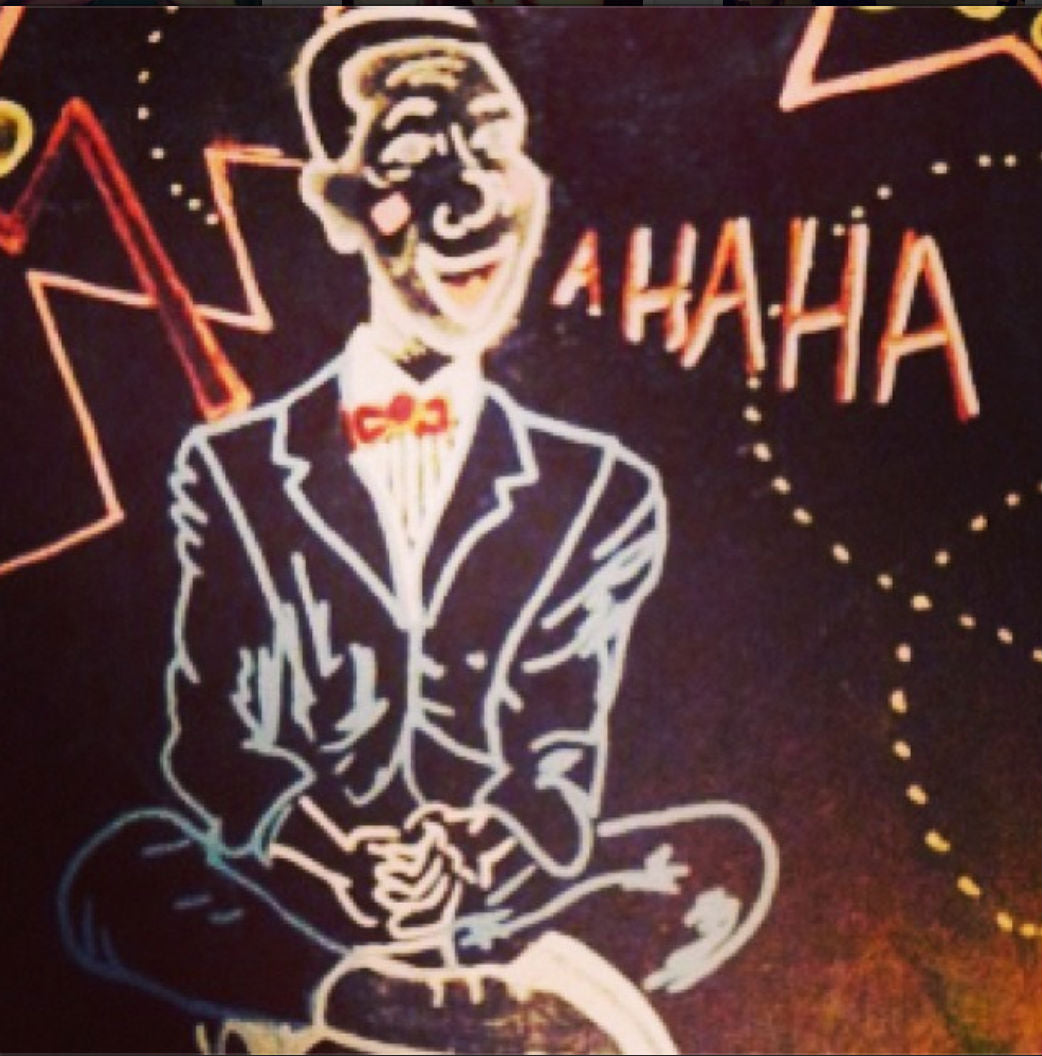
Cognitive Dissonance, 2021
Cognitive Dissonance is a series that confronts the chilling ability of individuals to exist in a state of willful ignorance—to shut out the suffering of the world even as it rages around them. In a society where famine, apartheid, and war continue to scar humanity, this work exposes the psychological mechanisms that allow people to remain indifferent. The series dissects how, through cognitive dissonance, individuals can reconcile their everyday lives with their participation in, or passive acceptance of, systems of injustice.
The works in this series explore the fractured self—the disjunction between what individuals preach and what they do, between societal ideals and personal actions. At the heart of the series is the idea that people often have an internal narrative that shields them from the uncomfortable truths of the world. They preach justice, yet perpetuate inequality. They speak of peace, yet fuel war. They speak of compassion, yet ignore the suffering of the marginalized. The dissonance created between belief and behavior becomes so overwhelming that it must be silenced, erased, or justified.
This internal conflict is echoed in Jungian terms—the shadow self. Jung believed that the parts of our psyche we refuse to acknowledge or confront—whether out of fear, guilt, or shame—become projections onto others. In the case of cognitive dissonance, the shadow manifests as the invisible suffering endured by the oppressed, which those in power continue to ignore. The inability or unwillingness to face this shadow fosters a deeper societal dysfunction, where people, rather than confronting their complicity, turn their gaze away from the pain they perpetuate.
The images in Cognitive Dissonance use distortion and fragmentation to mirror the fragmented psyche of modern society. The figures—sometimes clean-cut and polished, other times cracked or blurred—reflect this tension between internal morality and external action. The stark contradictions between the pristine and the broken illustrate how conscious awareness of suffering is often intentionally blocked out to preserve a narrative of comfort, security, or denial.
The cruelty with which society treats its most vulnerable members—the poor, the disenfranchised, the dispossessed—is laid bare. The act of spitting on the poor becomes a symbol of this active denial, as it is an outward manifestation of the refusal to acknowledge the humanity of others. The series forces viewers to look at the faces of suffering that they would rather ignore, exposing the psychic cost of privilege, and the moral cost of inaction.
In Cognitive Dissonance, there is no easy redemption. The works are not meant to provide answers but to provoke self-reflection about the cognitive dissonance that enables social injustices to persist unchecked. In confronting the shadow—the dissonance between who we believe ourselves to be and the uncomfortable truths we try to avoid—the viewer is asked not for resolution, but for recognition.
Jung’s idea of individuation—becoming whole by confronting and integrating the shadow—underpins this series. Cognitive Dissonance suggests that true social change begins with this confrontation—both individually and collectively—acknowledging the ways in which our actions perpetuate inequality, and daring to bridge the gap between belief and behavior.