
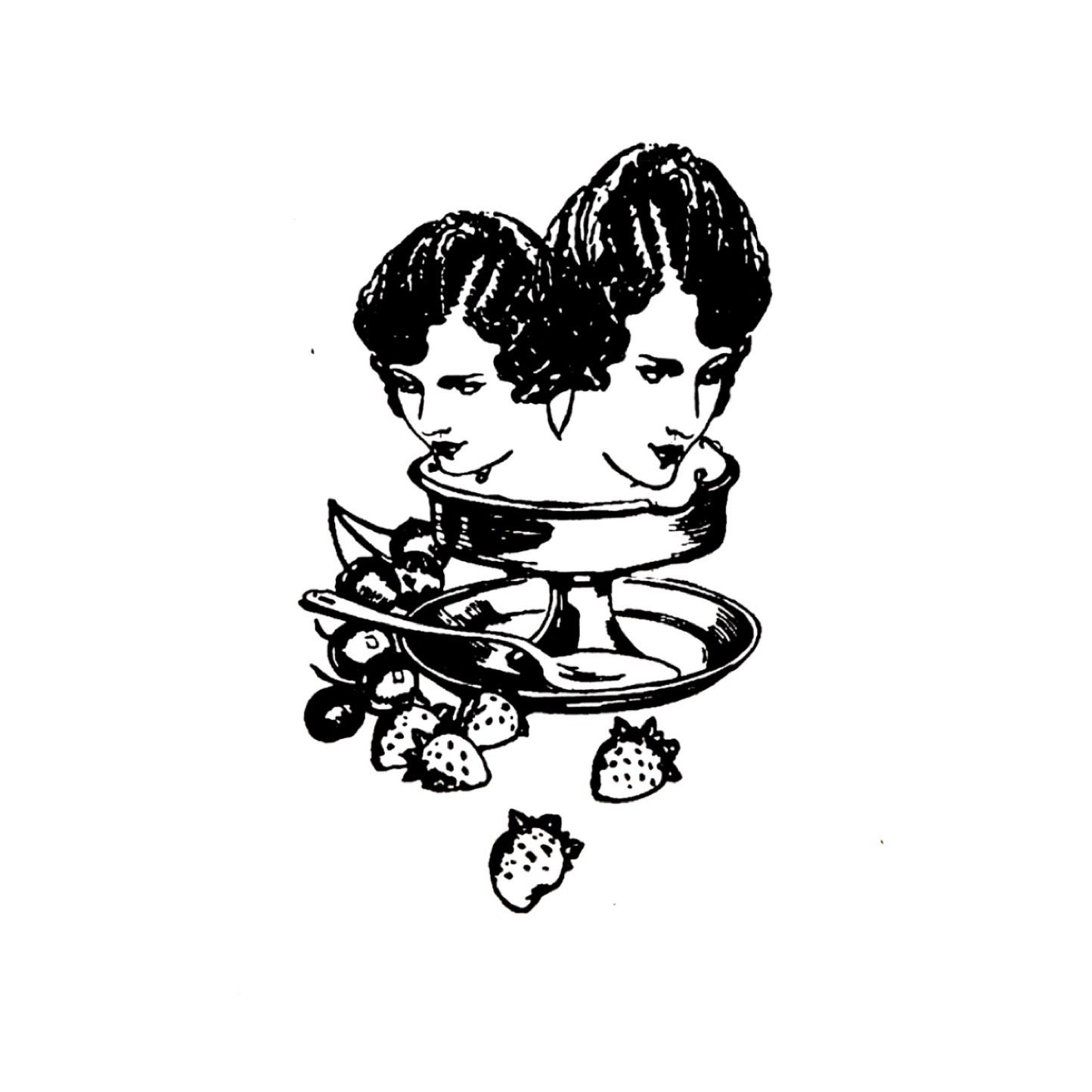
FAUX PAS,2017
Faux Pas is a meditation in ink and fabric, where stippling—a slow, deliberate act—becomes a mechanism for dismantling one of the fastest-moving forces in modern life: consumer ideology. Using copyright-free advertisements from the early 20th century (1920s–1940s), the artist rewires the promises of industrial optimism through a lens of irony, absurdity, and surreal inversion. What was once earnest—guaranteed, enduring, and life-improving—is rendered suspect, uncanny, or ridiculous.
The stippling process becomes critical here. Each dot accumulates like a unit of time, like the promise of progress itself—slow, deliberate, and eventually disorienting. The medium is linen, a textile that once signified quality and permanence—now almost completely absent from mass consumer goods. This choice is a silent eulogy to durability. What was once “built to last” is now packaged to expire.
At the heart of the series is a rupture between what was promised and what has become. The original ads—often for miracle devices, domestic appliances, or medical marvels—sell visions of a better future. They were artifacts of a time when ownership was aspirational and the commodity was tied to transformation. These ads didn’t just sell things—they sold selfhood, comfort, salvation, and security.
But in the reimagining, the miracle becomes metaphor. The vacuum cleaner that once claimed to “revolutionize the home” might now appear haunted, melting, or turned inside out. The dental appliance that promised “a lifetime of comfort” now floats like a fossil in an empty field of dots. These are not just visual gags—they are eulogies to permanence. Each piece asks: What happens when the revolutionary becomes refuse?
This is where John Gray’s Straw Dogs becomes philosophically relevant. Gray famously argues that the belief in human progress—especially through technology—is a secular myth, one that replaces religion with the hollow promise of better gadgets and longer lives. He insists that humans are not the authors of destiny but animals with delusions of control. The inventors behind the early 20th-century products likely believed in the virtuous power of innovation. But they couldn’t have predicted a future in which their devices would be stripped of meaning, repackaged as aesthetic nostalgia, or algorithmically rented out for profit.
In the world of False Advertisement, ownership has collapsed. Products no longer belong to us—we subscribe to them. Our razors come monthly; our software is licensed; our books are streamed; our toothbrushes ping our phones. The idea of “buying something for life” has become absurd, quaint, and possibly dangerous to capital itself. What does it mean to belong to a world where we no longer own the tools we use?
Surrealism, then, becomes the perfect language for this dislocation. It allows these stippled compositions to become dreamlike tombs—where objects from the past float untethered, reanimated as ghosts. The original ads promised clarity and function. These reworkings, instead, whisper doubt and entropy.
Faux Pas is not simply parody or nostalgia. It is elegy. It speaks softly, but it speaks to collapse. It holds up a mirror to the optimism of yesterday and shows us the fog of today—the absurdity of a future built on nothing but disposable faith.