
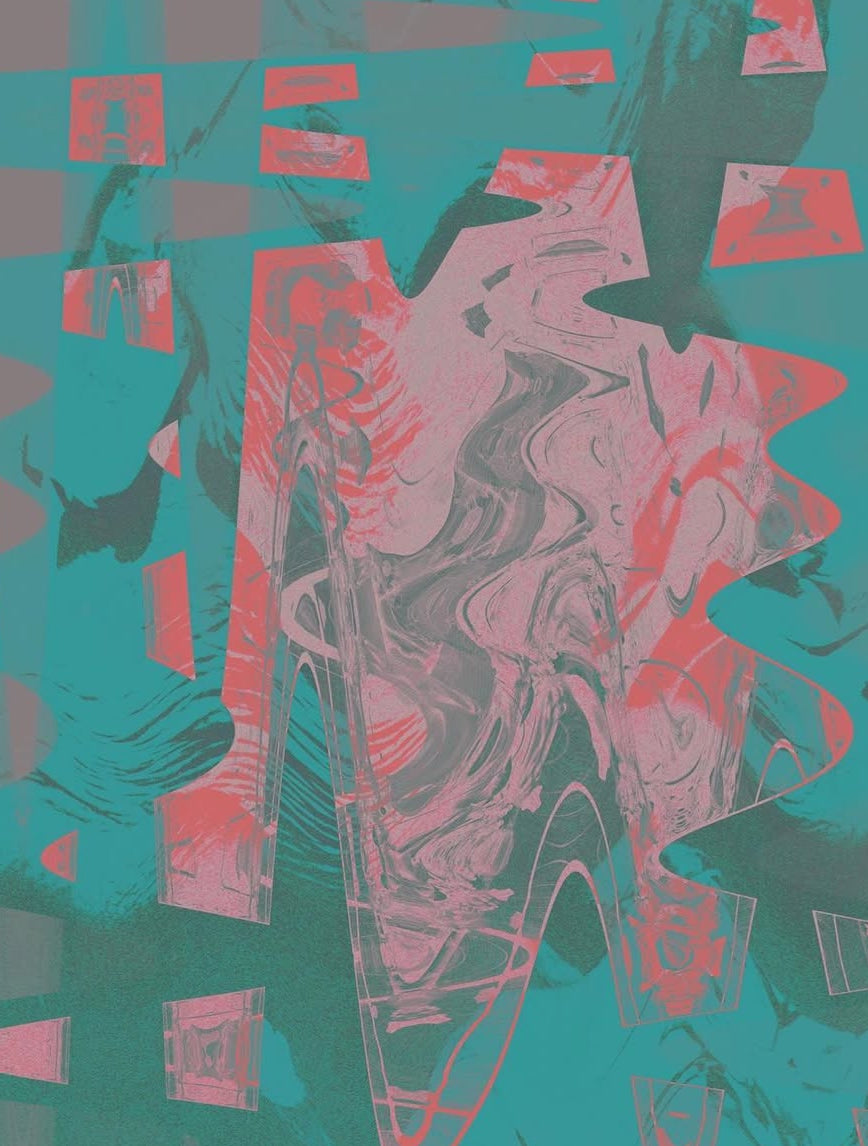
IMPRESSIONS OF EXCESS, 2023
Impressions of Excess is a celebration of artistic freedom—a reflection of the vibrant, improvisational energy that defines both Impressionism and jazz. The series captures a moment of unrestrained creative outpouring, an energetic symphony of color and form that evokes the spontaneity and dissonance of jazz music. Like jazz, which flourished in an era of cultural liberation, these works speak to the exuberance of breaking free from traditional constraints. Yet, beneath this celebration of excess, there is an undercurrent of critique: Impressions of Excess simultaneously interrogates the commodification of art by capitalism, which seeks to control and package this very excess for mass consumption.
In the world of capitalism, the raw energy of jazz and Impressionism—art forms that thrive on spontaneity, freedom, and the rejection of conventionality—has been absorbed, repurposed, and sold as products to be consumed. Just as jazz musicians improvise and push the boundaries of musical form, Impressionist painters broke from traditional academic art, focusing on the fleeting nature of light and the emotional experience of the moment. These movements embodied a rejection of formality, embracing instead the unpredictable and the personal.
However, capitalism has a long history of assimilating and commodifying these forms of artistic expression, turning the very ideas of spontaneity and excess into consumable objects. In Impressions of Excess, the brushstrokes themselves, with their energetic bursts and vibrant color palettes, evoke not only the raw creativity of jazz and Impressionism, but also the ways in which these very qualities have been packaged and reproduced for mass consumption. The work, in its intensity and exuberance, reflects how capitalism has turned cultural dynamism into a product to be sold and re-sold.
The stark juxtaposition between the fluidity of the brushstrokes and the reality of capitalism’s drive for control serves as a commentary on how art in the modern age has become a commodity, stripped of its original context and meaning. In a world where even the most innovative artistic expressions are co-opted by the market, art is often diluted, repackaged, and resold as a lifestyle choice or aesthetic preference. The chaotic, energetic freedom embodied in jazz and Impressionism is now something that can be bought, framed, and hung on walls, turning what was once an act of cultural rebellion into a decorative element in a commercialized world.
Yet, even as capitalism tries to control the nature of art, there remains an irrepressible force in the creative process. Impressions of Excess embraces this paradox, portraying how excess—whether in jazz, Impressionism, or capitalism—can never be fully contained. Despite the commodification of art, there is still a disruptive, unpredictable power in the work. The vibrant hues and quick, bold strokes stand as a testament to the lingering, untamed essence of creativity, defying the sterilizing effects of commercialism. The art itself becomes a site of resistance, asserting that even in an age where everything is monetized, the soul of art—its spontaneity, its freedom, its excess—cannot be entirely subsumed by the market.
In this sense, Impressions of Excess functions as both an homage to artistic liberation and a critique of the capitalist systems that seek to confine that freedom within marketable boundaries. It captures the tension between the raw, unrestrained vitality of jazz and Impressionism, and the sterile, calculated commodification of those very qualities by modern capitalism. Through its vivid colors, rhythmic brushstrokes, and dynamic compositions, the series invites the viewer to reflect on how art, once an expression of individual freedom, has been co-opted into the machinery of consumerism, even as it continues to resist and subvert that control.